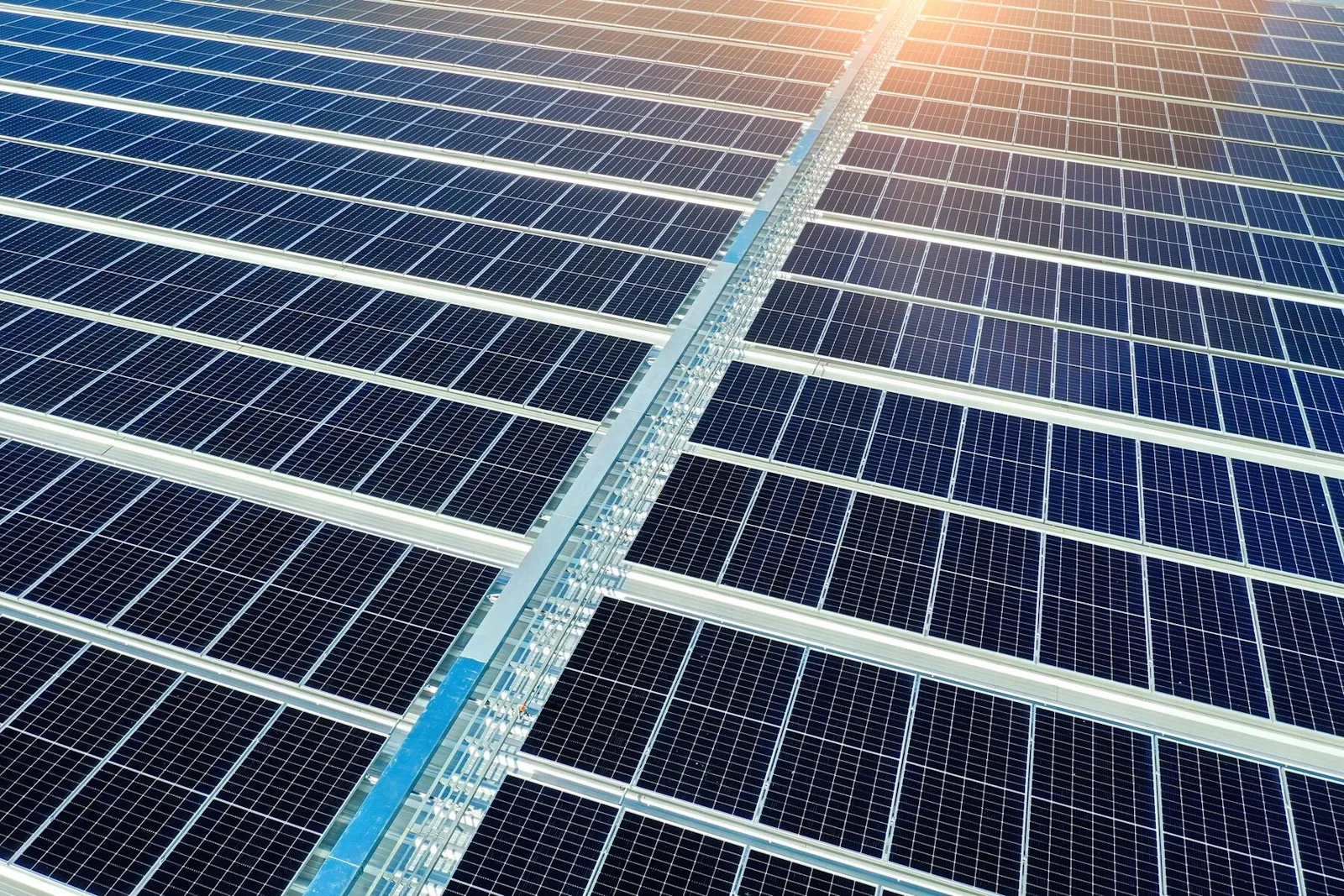
PV Mounting Checklist: Step by Step
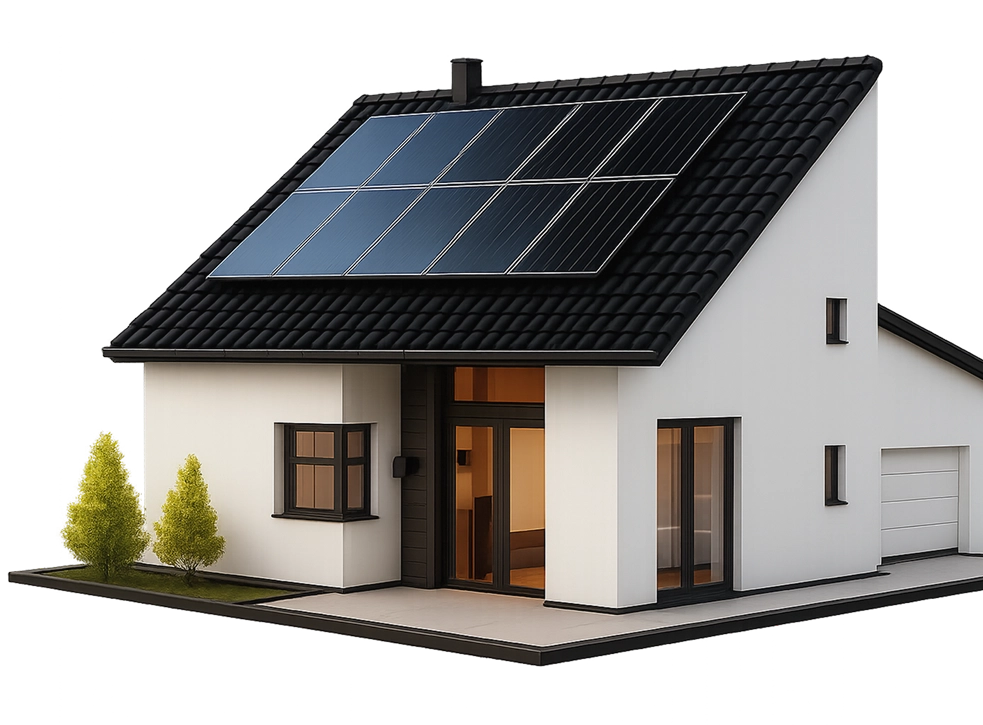
PV Mounting Checklist: Tools, Sequence and Inspection Points for Installers
A clean, traceable PV mounting checklist saves time on the roof and avoids costly mistakes. Anyone installing a photovoltaic system benefits from a fixed sequence: first structural calculation and preparation, then the substructure, followed by modules and electrics. This guide walks installers and ambitious self-installers through the key work steps and names the inspection points that ultimately determine safety and durability. The advice applies across roof types; where relevant, we point to the right systems for tiled roofs, trapezoidal sheet and flat roofs.
Preparation and Structural Calculation
Planning comes before the first screw. Clarify the roof orientation, the module layout and the structural requirements of your wind and snow load zone. With the oneClick planning software from CLICKWERK, you can create the structural report for the systems yourself in just a few minutes, so that fixing points and material quantities are set before you climb onto the roof. Also check the condition of the roof covering and the load-bearing capacity of the rafters. Thorough preparation is the foundation of every PV mounting checklist.
Tool Checklist
Keep the following tools to hand so the build runs without interruptions:
- Cordless screwdriver with suitable bits and hex attachments
- Torque wrench for the defined tightening torque of the clamps
- Tape measure, chalk line or laser measure to align the rails
- Spirit level to check the alignment
- Personal protective equipment: helmet, safety shoes, fall-arrest harness
- For trapezoidal sheet, additionally a drill for the fixing points
The CLICKWERK systems are designed for easy assembly: the T1 system for tiled roofs uses a click system (click-clack method) that essentially works with a cordless screwdriver. The F1 flat-roof system relies on tool-free click assembly in which only the clamps are fixed with the cordless screwdriver. With the M1 system for trapezoidal sheet, a single rail element is enough for almost any installation situation and is mounted with the cordless screwdriver at the designated fixing points.
Safety on the Roof
Working at height demands consistent fall protection. Secure scaffolding, safety nets or anchor points before assembly begins, and never work alone. Ensure dry, non-slip conditions and secure components against falling. Earthing the system belongs firmly in every PV mounting checklist: the T1 system includes an earthing clamp suitable for cable cross-sections of 6-16 mm2 as well as lightning conductor wires with an 8 mm diameter.
Assembly Sequence
A proven assembly sequence looks like this:
- Set fixing points: On the tiled roof, the multi-adjustable roof hooks are aligned to the rafters so that loads are channelled into the supporting structure without damaging the tiles. The hook spacing can be up to 180 cm, which reduces fixing points and material.
- Mount rails: The aluminium mounting rail is placed onto the hooks and connected. For trapezoidal sheet, a single rail element (short rail 400 x 80 x 50 mm) is enough, which thanks to the double 45-degree cut can be used both upright and crosswise.
- Insert and clamp modules: Align the modules and fix them with the universal clamps as a mid or end clamp. End caps neatly close off the rails.
- Route cables: With the cable holder, the lines are fixed directly to the profile so they lie protected.
- On the flat roof, the build is done in three steps: assemble the frame, click in the modules, ballast. Ballasting is done with standard commercial stones (20 x 10 x 6 cm), three per rail; the aerodynamic profile deflects the wind and thus reduces the wind load and the required ballast.
Inspection Points at the End
Before handing over the system, check:
- Are all clamps seated with the specified tightening torque?
- Are the rails aligned and the modules evenly positioned?
- Is the earthing connected correctly?
- Are all cables laid protected and secured?
- On the flat roof, is the ballasting complete and evenly distributed?
The CLICKWERK systems T1 and F1 come with a 25-year manufacturer warranty and are produced in Hamburg (Made in Germany). Shipping is from the Hamburg warehouse EU-wide, usually within 2-4 working days.
PV Mounting FAQ
What is the minimum tooling I need?
For the T1 click system, a cordless screwdriver is essentially enough. In addition, a torque wrench for the clamps, measuring tools for alignment and complete personal protective equipment are recommended. For trapezoidal sheet, a drill for the fixing points is also required.
How do I create the right structural report?
With the oneClick planning software, you can create the structural report for the CLICKWERK systems yourself in just a few minutes. This sets the fixing points and material quantities to match your wind and snow load zone before assembly begins.
Can I work as a self-installer?
The systems are designed for easy assembly. Nevertheless, working at height and the electrical connection are demanding. The grid connection must be carried out by a qualified electrician. Clarify legal requirements in advance and work consistently with fall protection.
Are you planning a specific project and looking for the right mounting system for your roof type? For a complete overview of PV substructures, components and structural design, see our complete PV substructure guide. Browse our shop or get in touch with our team in Hamburg via our contact form. We advise you on selection, structural report and delivery.
Questions about this topic?
Our team advises you personally – on mounting systems, oneClick or your project.